01 / PROJECT INPUT
Describe the source
Name the machine, the material and the task. Tell us when dust or fumes appear and where the operator stands during that step.

Products
The right equipment start here
Selection guide
Start with what enters the air and where it comes from. Use this comparison to choose a range for discussion with MEGPA.
| Dust collection | Typical starting point | Details to bring |
|---|---|---|
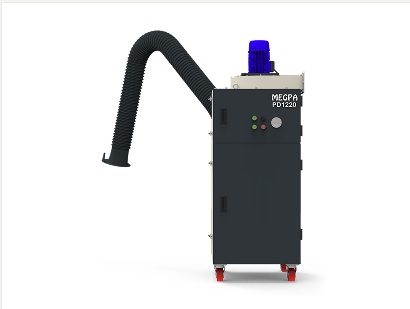
| Dust collection | Dust from cutting, sanding or another tool operation | Material, tool ports and machines used at the same time |
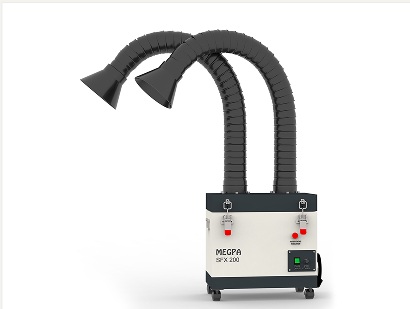
| Fume extractor | Fumes generated at a workstation or inside a machine enclosure | Process, material or coating, and capture point |
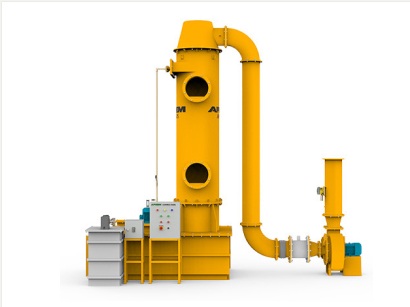
| Wet scrubber | An industrial exhaust stream under review for wet treatment | Material, tool ports and machines used at the same time |
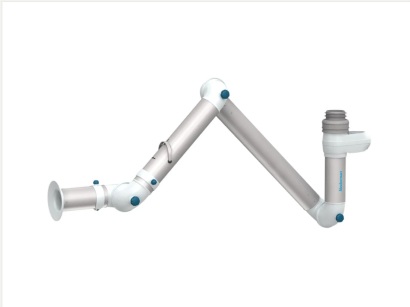
| Extraction arm | A capture point that must be positioned near changing work locations | Reach, mounting space and the extraction unit it will connect to Locations |
The right equipment start here
01 / PROJECT INPUT
Name the machine, the material and the task. Tell us when dust or fumes appear and where the operator stands during that step.
02 / PROJECT INPUT
Name the machine, the material and the task. Tell us when dust or fumes appear and where the operator stands during that step.
03 / PROJECT INPUT
Name the machine, the material and the task. Tell us when dust or fumes appear and where the operator stands during that step.
Application guide
When saws and sanders share a workshop, the first question is which tools run together. List the machines, the material each one cuts and the position of each dust port.
Browse dust collectorsStart with the material and coating being processed. Include the laser machine model, enclosure dimensions and the extraction connection already provided.
Browse dust collectorsFor a scrubber enquiry, describe the process that produces the exhaust. Include any measured gas composition, temperature and flow, together with a sketch of the existing duct route.
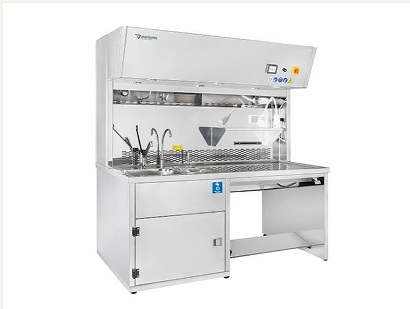
Browse dust collectorsDescribe the work carried out at the bench, how many operators use it and where it will sit. Include the available width and any existing exhaust connection.
Browse dust collectorsReplacement parts
If the machine is already on your floor, start with its nameplate. A model number and photographs help distinguish parts that look similar.
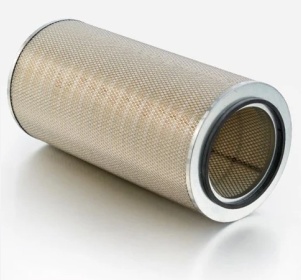
Photograph both ends and any printed code. Record the outside diameter, length and mounting arrangement so the team can check the fit.
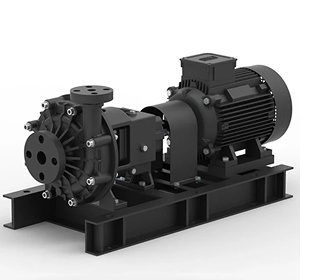
Photograph both ends and any printed code. Record the outside diameter, length and mounting arrangement so the team can check the fit.
Before you buy
Start with your process, material, required airflow and available power. Share these details with the team before selecting a model. Application suitability needs technical confirmation.